Recovery at the highest level – Performance at its peak: Focused care for athletes who are navigating eating disorders
The Victory Program Difference
In the Victory Program at McCallum Place in St. Louis, Missouri, our athlete-specific programming is designed by an elite athlete for elite athletes. The Victory Program offers targeted, graduate-level classes throughout each week that are aimed at providing research-oriented information to athletes about the ways in which strained relationships with fueling and body image affect the mind, body, and performance.
Treatment is focused on an “eyes wide open” approach that helps athletes gain an understanding of the science behind physical, psychological, and metabolic recovery from eating disorder behaviors and how to heal their relationships with food, body, and performance. Athletes are taught the medical, psychological, and nutritional data that providers within the athletic and eating disorder fields assess to determine when and how an athlete may return to sport.
During the treatment process, class work, individual sessions with the clinical sports psychologist and sports dietitian, and fitness sessions with our specialized personal trainer focus on helping each athlete understand their evolving relationship with sports and performance. Considerable instruction occurs around the role compulsive exercise plays in maintaining eating disorder behaviors and body image dissatisfaction. Athletes learn how compulsive exercise hinders performance-based training and work on healing ineffective relationships with movement.
Who We Serve
The Victory Program at McCallum Place is specifically designed for collegiate athletes, college-bound high school athletes, and postcollegiate athletes. Athletes who find success in our programming meet the following criteria:
- Current or recent competing or performing in a recognized sport or performing arts
- Strong identification as an athlete
- Significant drive and intense focus on improving performance in sport or performing arts
- Performance in sport or performing arts makes up a significant portion of the person’s identity
- High dedication to achieving performance-related goals
The ability of a treatment program to meet an athlete’s needs is a key predictor of successful treatment outcomes, so each prospective athlete-patient completes a one‑on‑one consultation with the Victory Program Clinical Director Dr. Magin Day, Clinical Sports Psychologist, prior to admission. This consultation helps determine programmatic fit and allows athletes to get answers to any questions they may have prior to committing to a treatment program.
The process for scheduling a consultation for the Victory Program may be initiated by contacting a McCallum Place admissions counselor at 877-305-2458. Our admissions counselors are available 24 hours a day, seven days a week.
How We Help Athletes
Athlete‑specific eating disorder programming includes the following key components:
- Specialized classes and groups: Victory Program athletes attend specialized classes and groups throughout the week that are designed to present theory and research around medical, psychological, and metabolic/nutritional factors involved in achieving recovery from an eating disorder, with a focus on improved performance.
- Sessions with a clinical sports psychologist: In addition to therapy sessions with a primary therapist throughout the week, each athlete meets for individual sessions once a week with the clinical sports psychologist.
- Sessions with a clinical sports dietitian: In addition to regular sessions with a dietitian, each athlete meets bimonthly with the clinical sports dietitian.
- Personalized fitness training: Upon meeting medical, psychological, and nutritional/metabolic criteria, individuals may be approved to participate in fitness training during their time in our St. Louis, Missouri, athletes eating disorder program. This four- to six-week training track includes individualized fitness plans based on each athlete’s sport, history, and performance goals and is designed to support a safe, effective, and sustainable return to movement. Athletes work under the close guidance of a personal trainer who specializes in eating disorder recovery, ensuring that each step back into training is intentional, monitored, and aligned with performance and therapeutic goals.
Levels of Care
Athletes who are navigating eating disorders are not just focused on returning to day-to-day commitments but also to the rigors of competition. The Victory Program aims to support these endeavors with multiple levels of care in order to provide balance between full support and independence in all areas of daily living, nutrition, and fitness.
Our levels of care include:
- 24-hour residential care: Athletes who are struggling with eating disorder behaviors or medical conditions such as significant food restriction, bingeing, purging, compulsive exercise, bradycardia, or low weight may expect to begin treatment with fully monitored care, structure, and support in our residential program. In this level of care, an athlete will live at McCallum Place Eating Disorder Center 24/7.
- Partial hospitalization program (PHP): Athletes who are near to their ideal body weight, have demonstrated ability to comply with a full meal plan with a wide range of food, are willing to work on having flexibility around food and fueling, and are successful in abstaining from repeated episodes of bingeing, purging, and compulsive exercise may expect to participate in the PHP. During this phase of treatment, athletes spend seven hours each day at our center in St. Louis, Missouri. During this time, they will receive treatment and benefit from ongoing support. They will also be provided with two snacks and one meal during the day. Outside of the PHP, athletes live in a transitional living house to practice utilizing the skills they learn while in the program, such as grocery shopping, cooking, and eating independently. Athletes at this stage of care are often engaged in fitness sessions within the facility during programming hours and work their way to prescribed, independent fitness sessions outside of programming hours.
- PHP housing: McCallum Place offers housing opportunities while individuals are participating in our PHP that are designed to facilitate the transition back to independent day-to-day living. We offer both family apartments where adolescents can stay with their legal guardians and transitional homes for individuals age 18 and older who have lived independently at some point prior to treatment. Transportation to and from the grocery store and the McCallum Place facility is provided by staff.
Returning to Sport
We deeply respect the need of each athlete to expeditiously return to sport and performance, so we work hard to ensure that this happens effectively and efficiently within the parameters of the person’s health and well-being in recovery. During the treatment process, the Victory Program team members work to ensure the following:
- Connection: With the athlete’s permission, we establish contact with coaches, athletic directors, and trainers to facilitate return-to-sport plans.
- Education: Monthly presentation sessions are open to coaches, athletic directors and trainers, parents, and support teams to help ensure that these important individuals in an athlete’s life are aware of the information being presented, including the medical, nutritional, and psychological information used to determine the appropriate return-to-sport timeline.
- Recovery contracts: Most athletes discharge with a set of expectations created by their athletic department, outpatient providers, and the Victory Program team. These contracts are designed to streamline communication, reduce confusion among care teams, and prevent unplanned delays in return‑to‑sport timelines. By outlining clear, shared guidelines, recovery contracts support athlete safety, well‑being, and sustainable long‑term sport progression during the transition back to daily life and training.
- Postdischarge support group: Alumni of the Victory Program will be invited to attend monthly support groups, which are led by Victory Program providers. This virtual support group is geared toward providing ongoing support and connection for athletes who are navigating the continued recovery process while returning to sport and competition.
The Victory Program Philosophy
Recovery at the Highest Level – Performance at Its Peak
Our program is built on the belief that athletes deserve full transparency about their bodies, their health, and the recovery process. We take an approach that empowers athletes with clear, evidence‑based understanding of the medical, nutritional, and psychological factors that shape both illness and recovery. When information cannot be shared immediately, clinical reasoning behind that decision is shared, and we work collaboratively to understand the need driving an athlete’s question. We aim to meet that need through alternative, supportive pathways while ensuring that safety, clarity, and trust remain central to the process.
Elite athletes don’t experience sport as “just an activity.” It is identity, community, purpose, and sometimes livelihood. Our program model brings together comprehensive medical monitoring to protect cardiac, metabolic, and bone health; nutrition rehabilitation designed to restore energy availability for high‑level training; and psychological care that addresses perfectionism, identity, compulsive exercise, and the pressures of elite performance. We help athletes understand how recovery strengthens — not threatens — their long‑term ability to train, compete, and thrive.
We also recognize that compulsive movement and exercise addiction are both symptoms and coping strategies. Our work includes education on RED‑S and energy imbalance, exploration of the neurobiology behind compulsive exercise, development of alternative regulation skills, and a structured return‑to‑sport plan. Through this process, athletes learn to distinguish discipline from compulsion, commitment from harm, and drive from dysregulation — rebuilding a healthier relationship with training.
Return to sport is never used as a reward; it is a clinical and performance‑based decision grounded in transparent criteria. We strive to help athletes understand exactly what providers and athletic staff evaluate in this decision. At the heart of our philosophy is empowerment through education. We teach athletes how under‑fueling affects speed, strength, endurance, and recovery; how stress influences the nervous system and training capacity; how compulsive exercise undermines performance; and how proper fueling enhances power, resilience, and longevity. Knowledge becomes a protective factor — one that supports both sustained recovery and sustainable excellence in sport.
Finding the Right Fit for Your Athlete
In the Victory Program, we believe that the most successful outcomes happen when there is a strong fit between the athlete and the treatment program. That’s why every athlete completes an individual consultation with our Victory Program clinical director before admission.
We understand that you have many options on your treatment journey, and we want you to explore them thoroughly. To support you in making the most informed decision, we encourage you to ask some key questions when choosing the right program for you.
Staff
- What specialized staff will be working directly with the athletes?
- Are sessions held in person or virtually?
- What are the qualifications, education levels, and athletic backgrounds of the staff members who will be working with the athletes?
Programming
- How many athletes are in the program at any given time?
- What types of group therapy or support groups are available that are specific to sport and being an athlete?
- What topics or skills are addressed in these athlete-specific groups?
- Will my athlete have opportunities to eat at restaurants or experience food outside the treatment setting?
- What makes these restaurant outings specific to helping athletes?
- What kind of staff support is provided during restaurant outings?
Fitness
- What is your philosophy on incorporating fitness into eating disorder recovery?
- What does fitness look like within your treatment program?
- How is an athlete’s readiness for fitness assessed?
Sport Reintegration
- What kind of planning or collaboration is in place to help athletes transition back to their sport or team after treatment?
Ongoing Support
- Does your program offer aftercare or follow-up support once the athlete leaves treatment?
Remember that no two programs are the same. Ask questions. Get clarity. Choose with confidence.
For Coaches & Trainers
Recognizing the Signs & Symptoms of Eating Disorders in Athletes
- Weight loss, resistance to regain weight, weight lower than necessary for adequate sport performance
- Poor body image
- Excessive training
- Vomiting after eating
- Repeatedly needing to use the bathroom soon after eating
- Restrictive/rigid eating (e.g., refusal to eat foods that are sweet or dense calorically)
- Resistance to eating socially
- Fainting, dizziness, and dehydration
- Amenorrhea
- Fatigue beyond that normally expected from training or competition
- Failure to adapt to training as expected
- Gastrointestinal problems (e.g., frequent nauseousness, premature fullness, not feeling hungry throughout the day despite not eating)
- Muscle weakness
- Overuse injuries and stress fractures
- Low TSH levels (thyroid functioning)
- Low estradiol hormone levels
- Low leptin levels, which can indicate inadequate energy stores within the body
- Resting heart rate below 50 bpm
When To Refer an Athlete for Intensive Eating Disorder Treatment
- Weight is less than 85% of expected based on height and weight growth charts (separate from BMI)
- Caloric intake is low, and the athlete continues to resist increasing caloric intake
- Symptoms are worsening over time, and the athlete’s health is compromised
- Excessive training and exercise despite injury or limitations from medical and training staff
- Engagement in self-harming behaviors or experiencing suicidal thoughts
- Symptoms of a mental health disorder (e.g., depression, anxiety, etc.) that prevent meaningful progress in outpatient treatment for eating disorder-related symptoms
- Progress is not made on an outpatient basis after six weeks of treatment
- Potentially serious medical complications (e.g., bradycardia, prolonged QT interval, electrolyte abnormalities, syncope, etc.)
- Progress is not made on an outpatient basis after six weeks of treatment
- Potentially serious medical complications (e.g., bradycardia, prolonged QT interval, electrolyte abnormalities, syncope, etc.)
To view this embedded video, please edit your cookie preferences and allow Personalization cookies.





Why Choose Recovery at McCallum Place?
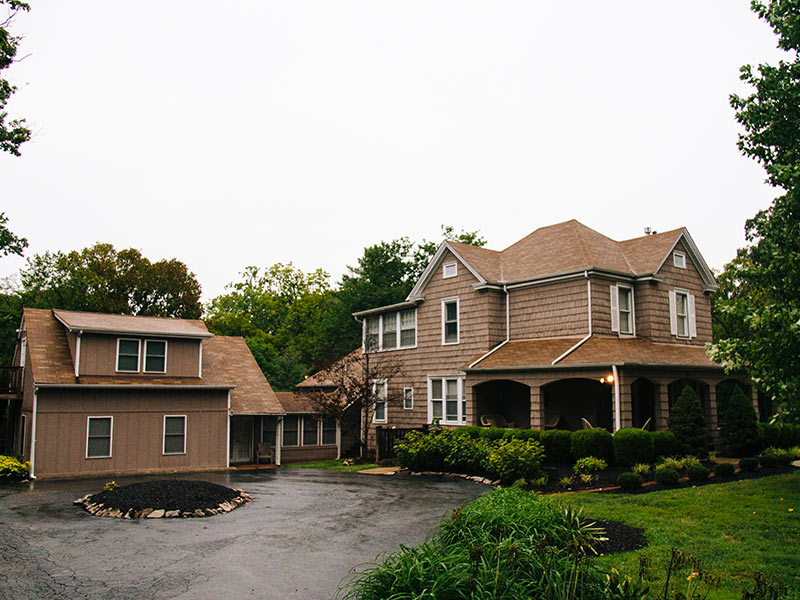




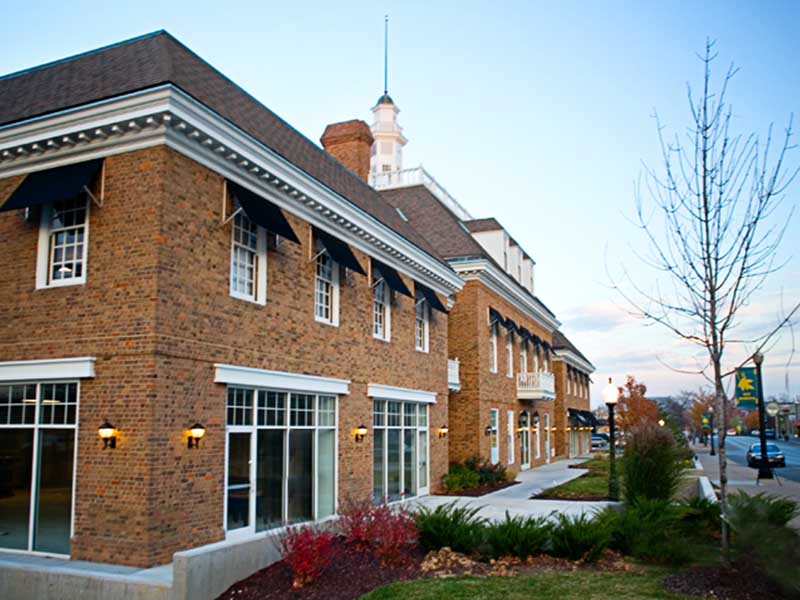
McCallum Place is a nationally acclaimed, comprehensive eating disorder treatment center for preadolescents, adolescents, adults, males and females.
Our location in St. Louis, Missouri is are unique in that we offer on-site medical and psychiatric management and care combined with intensive individualized psychotherapy, making our center a center of excellence and great alternative to traditional hospital settings.
We integrate personalized nutritional support and best practices throughout our treatment. Our state-of-the-art eating disorder programs and setting are designed to create an environment of structure and support for restoration and healing.
“During the hardest times of your life McCallum Place is very comforting and you feel like you’re at home and you’re truly cared for.”