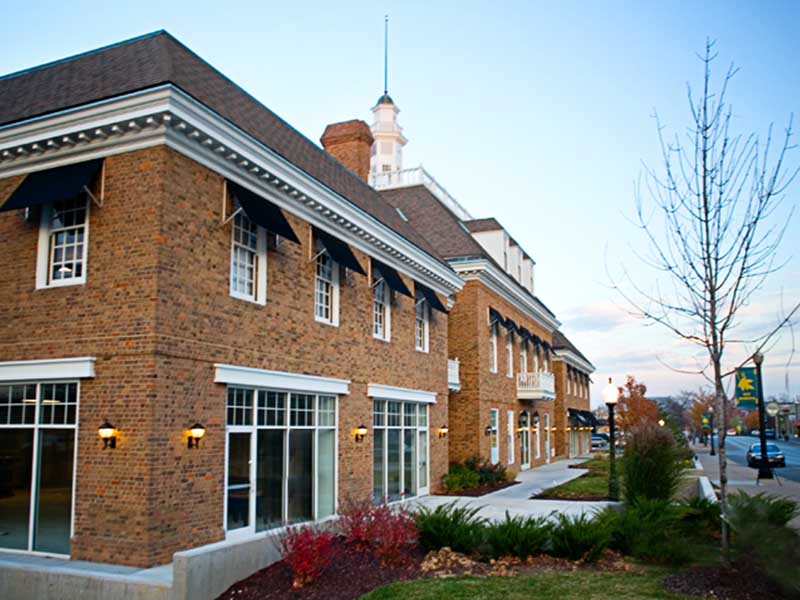
At McCallum Place, we provide comprehensive outpatient care at our St. Louis, Missouri clinic. As part of our outpatient services, we offer a partial hospitalization program (PHP) for adults age 18 and older who are battling a range of eating disorders.
We understand the challenges of living with an eating disorder, and we deliver focused outpatient care to help those who are suffering overcome obstacles and take strides toward recovery.
What Is a PHP for Eating Disorders & Who Can It Benefit?
In a partial hospitalization program for eating disorders, people can receive intensive support for concerns such as anorexia nervosa, bulimia nervosa, and binge-eating disorder.
Typically, PHPs take place during the day, allowing clients to return home or to a supportive living environment in the evening after programming ends. This flexibility can help clients maintain independence and allows them to apply what they learn in therapy to their daily lives in a practical way.
Our PHP for eating disorders may be ideal for those who:
- Require more intensive care than what is provided in traditional outpatient therapy but do not need round-the-clock supervision
- Have completed a higher level of care, such as inpatient or residential programming, and are stepping down to a less restrictive environment
- Need structured support and professional guidance to help them develop and practice healthy coping skills
- Are struggling to function in their day-to-day lives due to disordered eating behaviors
In our eating disorder partial hospitalization program, we treat individuals who are battling concerns including:
- Anorexia nervosa
- Bulimia nervosa
- Binge-eating disorder
- Avoidant/restrictive food intake disorder
- Other specified eating and feeding disorders
Our eating disorder PHP can bridge the gap between more intensive levels of care, such as inpatient and residential programming, and traditional outpatient therapy. This continuity of care ensures that people receive the support they need as they transition through different phases of their recovery journey.
What We Offer in Our Eating Disorder Partial Hospitalization Program
At our outpatient location in St. Louis, Missouri we provide individualized care to help those in need chart a path to better health.
Before starting treatment in our partial hospitalization program, each client completes a thorough assessment that helps our staff learn more about their overall health history and how we can support them on their healing journey. Using the information we gather from this evaluation, we carefully select the therapies and services that can help the client learn the tools they need to be successful.
Therapies and services we offer for clients in our partial hospitalization program for eating disorders include:
- Medical care: We prioritize the physical health of our clients and strive to ensure that they receive the necessary medical care during their time with us. Our experienced medical professionals, including a family medicine physician, a psychiatrist, a clinical nurse specialist, and registered nurses, provide basic medical care on a case-by-case basis. We have an on-site doctor on our team, which allows us to accept clients who have more complex health conditions. Clients may meet with medical staff one to two times per week.
- Medication management: We offer medication management services as part of our PHP for eating disorders to support our clients’ overall well-being and recovery process. Those who can benefit from taking medication as part of their personalized care plan meet with a psychiatrist once or twice a week. They may also work closely with our nursing staff, which administers and monitors the effects of medications.
- Individual therapy: Individual therapy sessions are offered two to three times a week and provide clients with a confidential space to explore their thoughts, feelings, and past experiences. Sessions are led by our primary therapists, who help pclients gain insight and develop coping skills for managing triggers.
- Family therapy: We believe that family support and involvement can be essential to a person’s healing process. Offered once a week, family therapy sessions are designed to educate family members about their loved one’s recovery journey. We strive to help families improve communication, work through conflict, and strengthen bonds so that clients have a strong support system to rely on for encouragement.
- Group therapy: Group therapy is a central component of our partial hospitalization program for eating disorders. With multiple groups offered each day, clients can learn about a variety of topics, including relapse prevention, body image, mindfulness, goal setting, nutrition, life skills, spirituality, coping skills, family systems, and values and identity. Additionally, group therapy promotes peer support, social connection, and acceptance.
- Experiential therapies: In our PHP for eating disorders, we offer experiential therapies, such as art therapy and yoga. These therapies complement the traditional services we provide and give clients a creative outlet for self-expression. Experiential therapies can also reduce stress and help clients experience personal growth.
We monitor each client’s progress throughout their time in the program and work closely with them to develop a comprehensive aftercare plan that reflects their needs. Discharge plans, which may include resources for continuing care, professional referrals, and a list of local support groups, can help clients as they transition back to their daily lives.
Adult Partial Hospitalization Programming for Eating Disorders at McCallum Place
Clients in our partial hospitalization eating disorder program take part in treatment seven days a week. Program duration is typically four to eight weeks, though the actual length of participation may vary based on the needs of each individual.
During their time in our partial hospitalization program, clients receive compassionate care from professionals who have specialized training in a variety of services, therapies, and frameworks, including:
- Cognitive behavioral therapy
- Dialectical behavior therapy
- Family-based therapy
- Art therapy
- Psychodynamic therapy
- Motivational interviewing
- Somatic experiencing
- Prolonged exposure therapy
- Interpersonal neurobiology
- Internal family systems
- Trauma-informed crisis intervention
- Emotion-focused therapy
- Substance abuse treatment
Our team collaborates to identify which practices can provide the greatest benefit for each clients. By offering an array of therapies and services, we strive to ensure that our clients receive care that can effectively address their individual needs.
In addition to an expert staff, key features of our PHP for eating disorders include:
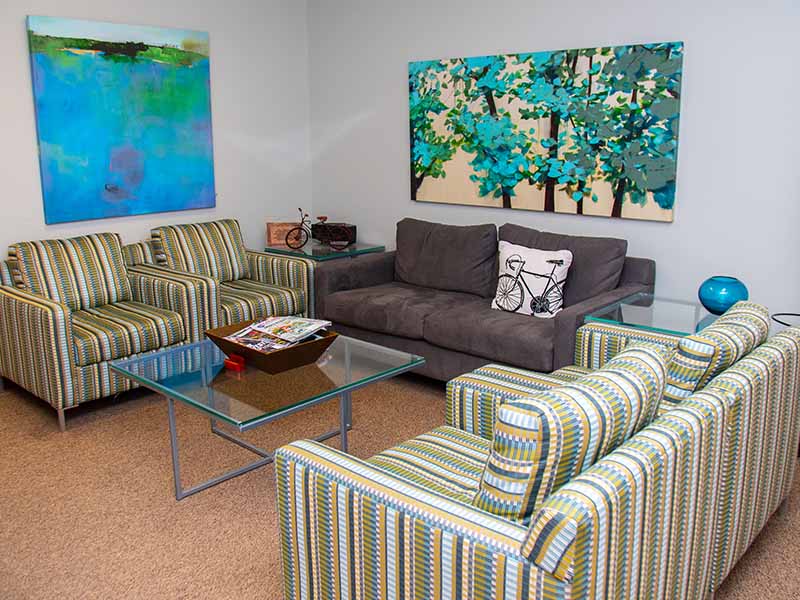
- A supportive therapeutic environment: We offer a warm and welcoming space that is conducive to the recovery process. We want to ensure that our clients feel comfortable as well as heard and understood during their time at our facility. We believe that having access to a structured and supportive environment can help them make significant progress toward healing.
- Comprehensive care plans: We take a holistic and integrated approach to care to address the physical, emotional, and psychological aspects of eating disorders. Our clients can receive services that are tailored to their unique needs so that they can begin to heal.
- Medical services: In our partial hospitalization program, we provide clients with medical monitoring and support as needed to address any medical complications or concerns that may stem from disordered eating. Our professionals continually assess the physical health of our clients, ensuring that any medical conditions are promptly addressed and treated.
- Nutrition education: In our PHP for eating disorders, registered dietitians provide nutrition support through individual sessions, groups, cooking classes, self-portioning education, and restaurant outings. Our goal is to help clients develop a positive relationship with food and establish healthier eating habits. In the partial hospitalization program, clients are responsible for eating dinner and breakfast at home, which can help them increase their confidence in preparing healthy meals outside of the program.
- Emotional and psychological support: In our eating disorder partial hospitalization program, we offer individual therapy, family therapy, and group therapy sessions to help clients address underlying emotional and mental factors of eating disorders.
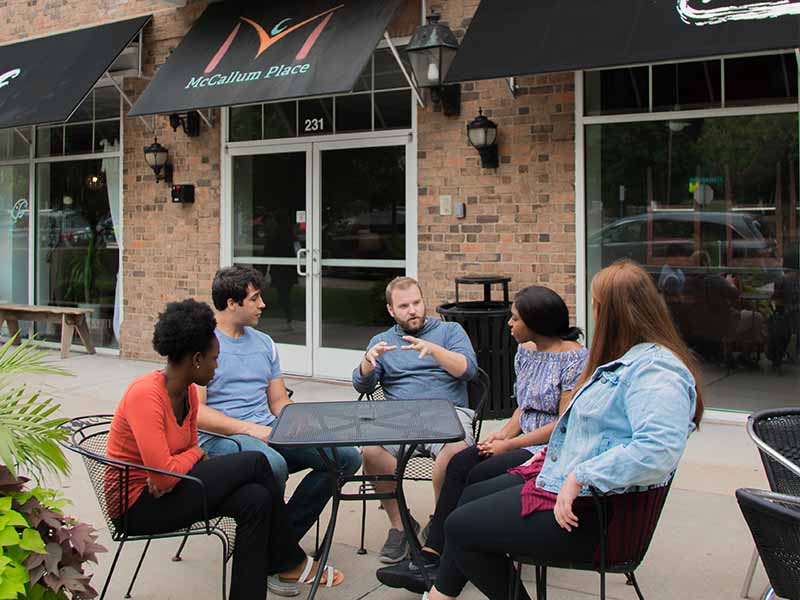
- Peer support: Social connection can be incredibly valuable to a person’s healing process. Our group therapy sessions provide a space where clients can feel understood, supported, and less alone on their recovery journey. During these sessions, clients can connect with peers who understand what they are going through and establish meaningful relationships that foster acceptance.
If you or a loved one is struggling with an eating disorder, please reach out to our team today. In our PHP for eating disorders, we may offer the comprehensive services you need to successfully begin or continue your path to recovery. We are available to help you learn more about the programs we offer and take the first step toward the happy, healthy life you deserve.