McCallum Place is a nationally acclaimed eating disorder treatment center that has helped change the lives of individuals who struggle with bulimia. Proudly serving St. Louis, Missouri, McCallum Place is the premier provider of eating disorder treatment for adolescents and adults of all genders.
About Bulimia Nervosa
Bulimia nervosa is an eating disorder that is characterized by two main behaviors. These include binging on large amounts of food in a discrete period of time, often including high fat or high calorie foods, and then purging in an attempt to compensate for binge eating. While some incorrectly assume that this purging can only include self-induced vomiting. These purging behaviors of bulimia include laxative abuse, self-induced vomiting, excessive exercise and use of diuretics or enemas.
Most individuals suffering from bulimia are preoccupied with their weight and body shape. They generally have a negative self-image and will judge themselves harshly over perceived flaws. During bingeing episodes, individuals will typically feel a loss of self-control followed by intense, overwhelming guilt and shame leading to the application of purging behaviors.
Bulimia Treatment at McCallum Place
The primary goals at McCallum Place for individuals who are struggling with bulimia are stabilization of symptoms, weight restoration and beginning to build the foundation for a strong recovery. In all we do, we strive to help individuals build the confidence and skills necessary to let go of their patterns of binge eating, purging and compulsive exercise. Our protocols are designed to help clients restore weight to within 90% of ideal body weight and to minimize relapse with binge eating, vomiting and compulsive exercise.
Clients practice weight maintenance and flexible eating prior to discharge. When possible, a gradual step down is recommended to ease the transition back to independent living. We give individuals the power to manage the fears associated with new meal expectations and changes in body size. Our goal is to change the way each individual uses food and body image to express underlying emotional needs and concerns, directly and effectively.
Individuals can overcome bulimia with proper treatment and therapy. There are a number of methods commonly used during bulimia nervosa therapy including individual psychotherapy or group therapy techniques. In order to determine the bulimia nervosa therapy program that is right for you or a loved one, contact McCallum Place.
Types of treatment used in the bulimia nervosa therapy programs at McCallum Place in St. Louis include:
- Cognitive behavioral therapy (CBT): For individuals who have bulimia, CBT helps them make a connection between their thoughts, emotions, and behaviors. CBT also focuses on replacing negative beliefs and behaviors with positive, healthy ones.
- Dialectical behavior therapy (DBT): DBT is an effective form of therapy that can help individuals who have been struggling with bulimia. DBT guides participants through a process of managing negative emotions as a means of eliminating negative behaviors.
- Family-based therapy: A treatment method that uses an individual’s family to build a positive support system during bulimia recovery and therapy.
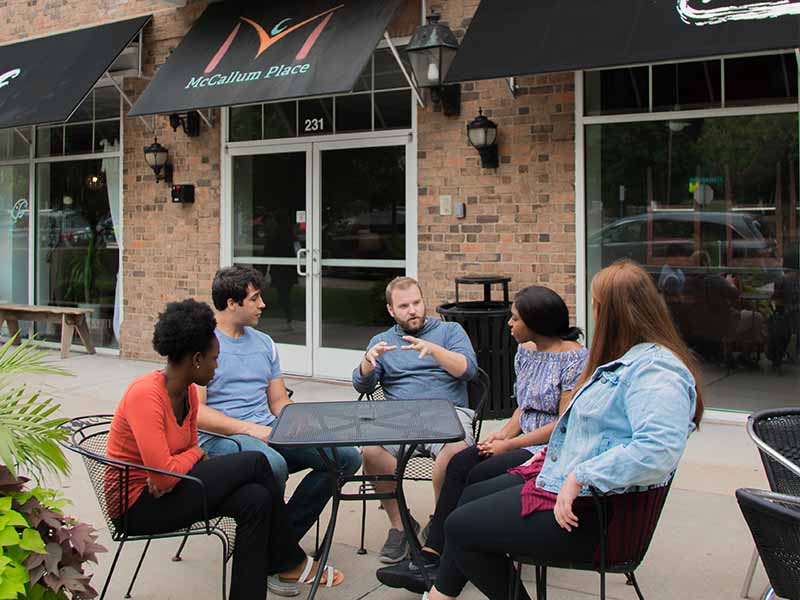
- Group therapy: Group sessions are supportive environments in which a small number of individuals work together under the guidance of an experienced professionals. During group sessions, participants may learn from the experiences of others, share their insights, practice healthy communication skills, gain important information about bulimia, and develop skills that will support improved health.
- Interpersonal therapy – This type of therapy focuses on relationships with others. Interpersonal therapy has proved to be a valuable form of therapy for individuals who are receiving care for bulimia and other eating disorders.
Goals of Bulimia Nervosa Therapy
Bulimia is about more than just food or eating. This disorder often involves an individual’s attempt to deal with emotional issues such as low self-esteem or negative body image. Thus, the goals of bulimia nervosa therapy include treating and eliminating unhealthy behaviors as well as addressing emotional issues and negative thoughts in an attempt to help individuals overcome their eating disorders.
If you are beginning a bulimia nervosa therapy program, the main phases you can expect include:
- Breaking the binge-and-purge cycle and eliminating negative behaviors: This is the first step in bulimia treatment. It includes returning to normal eating patterns by monitoring eating habits, avoiding situations that trigger binges, learning coping methods, eating regular meals to reduce cravings for binges, and resisting the urge to purge.
- Changing unhealthy thought patterns: After learning to reduce or eliminate bingeing and purging cycles, an individual receiving bulimia nervosa therapy should receive therapy that focuses on identifying and changing dysfunctional beliefs about weight, dieting, and body shape. This also includes acknowledging positive attributes about one’s self and accepting that self-worth and self-image should not be based on weight or physical appearance.
- Solving emotional issues: This is the final goal during bulimia nervosa treatment, which includes determining the emotional issues that led to the development of an individual’s eating disorder in the first place. During this stage, the therapy for bulimia may focus on addressing relationship issues, treating underlying anxiety and depression, improving low self-esteem, and managing feelings of isolation and loneliness.
Finally, an important concept for individuals to accept and understand throughout the bulimia nervosa therapy process is that treatment for bulimia is far more likely to be successful for individuals who can stop dieting. If you can stop restricting calories and following strict dietary rules, you can learn to break the binge-and-purge cycle and reduce cravings. By eating a healthy and balanced diet, without restrictive rules, you can achieve improved health.
Bulimia Treatment for Adolescents
Adolescents who develop bulimia need comprehensive, age-appropriate care to address the unique ways that they are impacted by this type of eating disorder
Adolescence can be a time of significant physical, emotional, and social change. Concerns about appearance, grooming, relationships, social status, and a host of additional issues can have a powerful negative impact on an adolescent’s healthy development. For some adolescents, worries about these topics can lead to symptoms of bulimia or other eating disorders.
Young people who struggle with bulimia should receive personalized services that have been customized to promote true and lasting healing in body and mind. Effective bulimia treatment for adolescents should also focus on preparing young people to deal with the stresses and pressures of their lives in a healthy and productive manner.
Education about the nature of bulimia, help developing effective coping skills, nutritional education and monitored meals, and consistent support from a team of experienced professionals can help adolescents overcome the symptoms of bulimia.
To learn more about bulimia treatment at McCallum Place, or for additional information about any aspect of our programming, please contact us at your earliest convenience. A friendly and knowledgeable member of our team is available 24/7 to answer all your questions and help you decide if McCallum Place is the perfect place for you or a loved one.