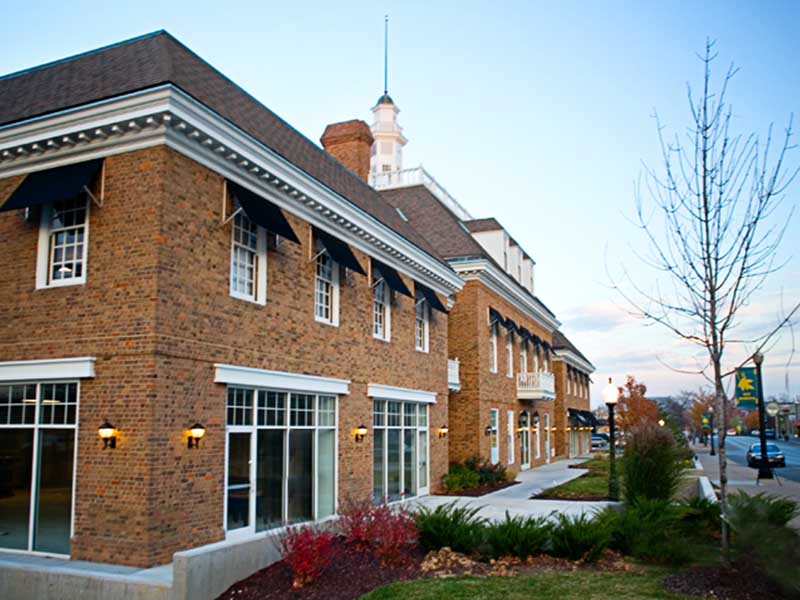
McCallum Place is a nationally acclaimed eating disorder treatment center that has helped change the lives of individuals who struggle with anorexia. Proudly serving St. Louis, Missouri. McCallum Place is the premier provider of eating disorder treatment for children, adolescents and adults of all genders.
What is Anorexia Nervosa?
Anorexia nervosa is a dangerous mental health disorder that is characterized by an overwhelming and irrational fear of becoming overweight as well as a relentless pursuit to be as thin as possible at any cost. People who suffer from anorexia will use dangerous and extreme methods to lose weight including self-starvation, denying hunger, excessive exercise, and extremely limited diets. No matter how much weight an individual suffering from anorexia loses, they may never feel “thin enough”. Other key characteristics of individuals suffering from anorexia include:
- A refusal to sustain even a minimally normal body weight
- An intense fear of gaining weight despite being underweight
- A distorted view of one’s body size or weight and / or denial of the dangers of one’s low weight
- Fear of foods that become “off limits” as the illness progresses
- Sufferers typically have an anxious temperament, typically struggling with change
Contact Us for a Free Confidential Assessment
McCallum Place offers anorexia treatment in St. Louis, Missouri. If you think you might be suffering from anorexia, please don’t hesitate to contact our intake department for a free and confidential assessment. We are here to help you!
Anorexia Treatment at McCallum Place
Therapy for anorexia involves medical assessments, psychotherapy, and nutrition therapy in both group and family formats. In fact, a complete treatment program will often provide a combination of several of these therapies. These methods utilize different techniques to help achieve all recovery goals. Main goals during anorexia therapy include stabilizing symptoms, promoting weight restoration to a healthy weight, reducing or eliminating restrictive and unhealthy eating behaviors, and restoring body image and self-esteem.
The anorexia treatment programs available from McCallum Place Eating Disorder Center in St. Louis are designed to incorporate a variety of therapy methods including individual and group anorexia therapy programs. In order for treatment and therapy to be effective, it is important that this anorexia therapy is designed specifically to meet each individual’s needs. To learn about creating an anorexia therapy and treatment program that can help you recover from anorexia, contact the professionals at the McCallum Place Eating Disorder Center.
Individual Anorexia Therapy
Individual therapy is an important part of many individual’s anorexia therapy programs as this therapy helps to understand the meaning and extent of one’s behavior. Individual anorexia therapy teaches individuals skills and techniques to help manage their emotions without relying on their eating disorder. Other goals of individual anorexia therapy include improving an individuals’ self-image, addressing problematic thoughts, and eliminating and replacing negative behaviors.
The following techniques and modalities may be incorporated into individual therapy sessions for adolescents and adults who have been struggling with anorexia:
- Cognitive-behavioral therapy: This anorexia therapy method will help individuals deal with the behavior and thought patterns that contribute to anorexia. Through this method individuals learn positive behaviors and thoughts to replace the disorder eating behaviors and thoughts.
- Interpersonal therapy: This individual anorexia therapy method deals with treating the anxiety or depression that typically exists in individuals suffering from an eating disorder. Interpersonal therapy for anorexia does not deal directly with weight or food issues, but instead helps an individual to determine social factors and influences that may have led to the development of the eating disorder.
- Motivational enhancement therapy: This type of therapy uses an empathetic approach to help clients understand and change their behaviors concerning food.
Group Therapy for Anorexia
There are many different types of anorexia group therapy programs that are available from eating disorder treatment centers, therapists, universities or high schools, or religious groups. A program that best appeals to you and helps you meet your goals is the best type of treatment program for your recovery. These types of anorexia group therapy and support programs include:
- Support groups
- Meal planning therapy groups
- Fitness therapy groups
- Art therapy groups
- Pet-assisted therapy groups
- Spirituality-focused groups
Individuals who have been struggling with anorexia may also benefit from family therapy. Family therapy addresses topics such as conflict resolution, improved communication, and the development of healthier family dynamics. Depending upon the age of the individual who is receiving care, family therapy sessions may involve parents, guardians, spouses, siblings, or other loved ones. Under the guidance of an experienced professional, family therapy participants can learn about anorexia, process how they have been impacted by their loved one’s struggles with this disease, and learn how to better support each other during and after treatment.
Goals of Treatment
The main goals during anorexia nervosa therapy are relatively straightforward. They include encouraging positive behaviors and eliminating negative behaviors. Additionally, anorexia nervosa therapy should help individuals to return to a normal body weight and healthy lifestyle. Through a combination of treatment techniques including therapy, nutrition education and meal planning, and medical monitoring, individuals can achieve anorexia recovery.
Some main goals during anorexia nervosa therapy include:
- Acceptance: The first and most important step in anorexia nervosa therapy is for an individual to accept that they have a problem and require treatment. Being open and willing to receive treatment is important to encourage long term wellness.
- Restoring weight: Restoring weight to a normal and healthy body weight is important. This goal is reached through anorexia nervosa therapy because therapy will help motivate and encourage individuals to accept feelings of hunger and eat regular meals.
- Increasing self-esteem: During anorexia therapy, an individual should be encouraged to see positive aspects in their personality and accomplishments that will help to improve self-image and self-esteem. Additionally, during anorexia nervosa therapy, individuals should be encouraged to change unrealistic perceptions and expectations of physical body image or shape.
- Recognizing triggers: Anorexia is more than just a goal to be thin, it is a mental disorder linked to other problematic thoughts. Helping an individual understand that anorexia may be an attempt to control and manage stressful situations will allow them to recognize triggers in the future and avoid relapse.
- Teaching healthier coping methods: A goal to long-term recovery for anorexia is to teach coping methods for dealing with every day stress. During anorexia nervosa therapy, it is important for a therapist to teach individuals positive behaviors to replace the negative behaviors, which they have adopted for dealing with stressful or upsetting situations.
Treating Anorexia in Adolescents
Teenagers are especially vulnerable to eating disorders due to all the changes that are a natural part of development. Kids often change school, start to date, develop independence, and turn towards peers for support. Their bodies change and nutritional needs change. They are more on their own for meals. Many are involved in sport with variable nutritional needs to stay in energy balance. They naturally focus on appearance and grooming. This is why it’s so important that teenagers with eating disorders have the right support, including monitored meals when they start to develop symptoms.